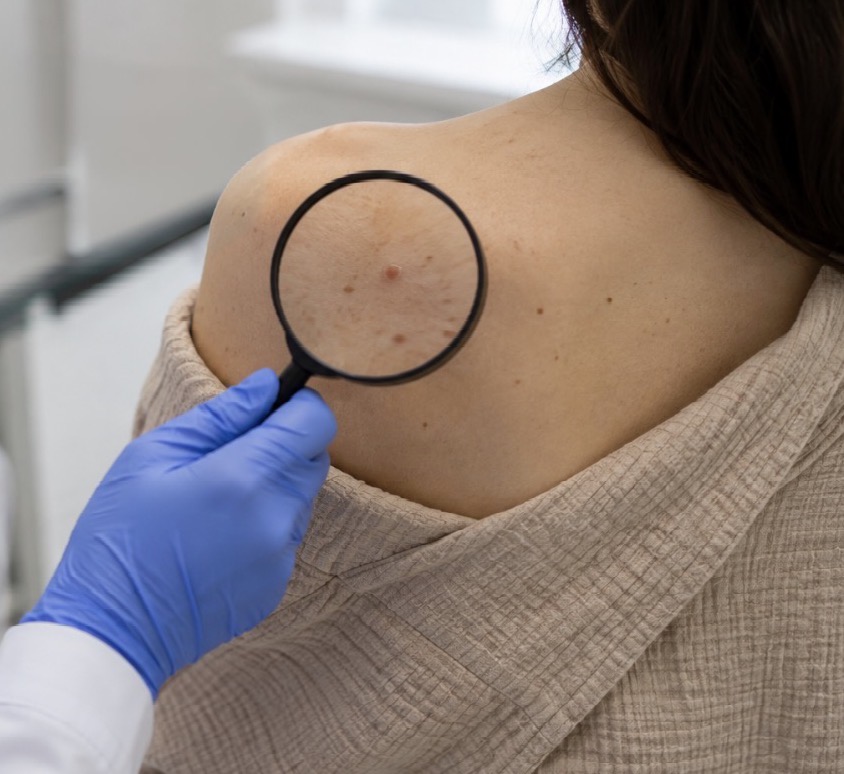
A dermatologist examining a patient's arm during a medical dermatology visit

03, Medical

Medical dermatology.

Evidence-guided treatment for the conditions that affect daily life, and the ones that shape skin health for decades.

Your visit

Time to explain, and time to decide.

Before

Share what you have noticed, how long it has been present, and what you have already tried. Bring the products or medications you are using if that is easier.

During

A focused examination, a clear explanation of what is happening in the skin, and the reasoning behind each option, including what it will ask of you at home.

After

A written plan, a realistic timeline for results, and a scheduled point to check in so the treatment can be adjusted rather than left to guesswork.

A note

A diagnosis you understand, not just a prescription.

What we treat

Common,
and often complex.

Each condition below is met with the same patience, a diagnosis explained, a plan agreed on, and a rhythm of follow-up that lasts as long as it needs to. Open any card to read more about how the condition is evaluated and treated.

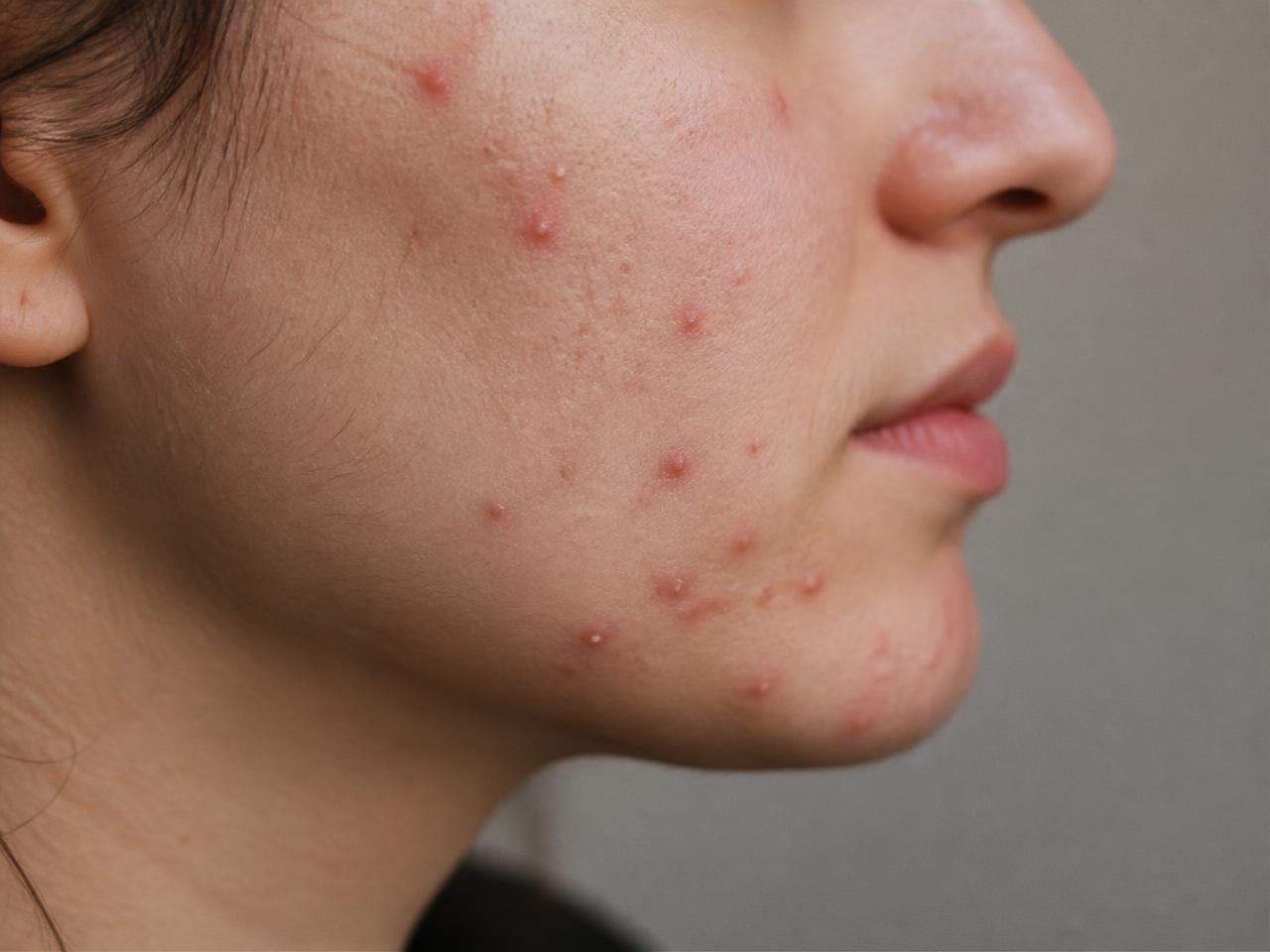
Inflammatory acne along the cheek and jawline


Acne

Care for breakouts at any age, from the first teenage flare to persistent adult acne along the jaw and chin.

Overview
Acne develops when oil, skin cells, and bacteria collect within the follicle and the surrounding skin becomes inflamed. Hormones, genetics, certain medications, and skin care products all influence how it behaves. It is one of the most common reasons people see a dermatologist, and it responds well to treatment that is matched to the type of acne present.
Signs and symptoms
Blackheads and whiteheads, tender red papules, deeper cysts along the jawline, chest, or back, and the discoloration or textural change that can remain once a lesion has healed.
How it is evaluated
The visit begins with a conversation about how long the acne has been present, what has already been tried, and any patterns tied to cycles, stress, or products. The skin is examined to determine the type and depth of the lesions, and in select cases laboratory work is considered when a hormonal contribution is suspected.
Treatment approaches
Options range from prescription topicals such as retinoids and antimicrobial agents to oral medication such as Acutane, and isotretinoin for scarring or resistant disease. Treatment is chosen for the type of acne and reviewed at intervals so the plan can be adjusted as the skin improves.
When to seek evaluation
It is reasonable to be seen when over-the-counter care has not helped after a few months, when lesions are painful or leaving marks, or when acne is affecting how you feel day to day.
What to expect at your visit
You will leave with a written regimen, guidance on how to introduce each product, and a realistic timeline. Most regimens need eight to twelve weeks before their full effect is clear, and follow-up is scheduled with that in mind.
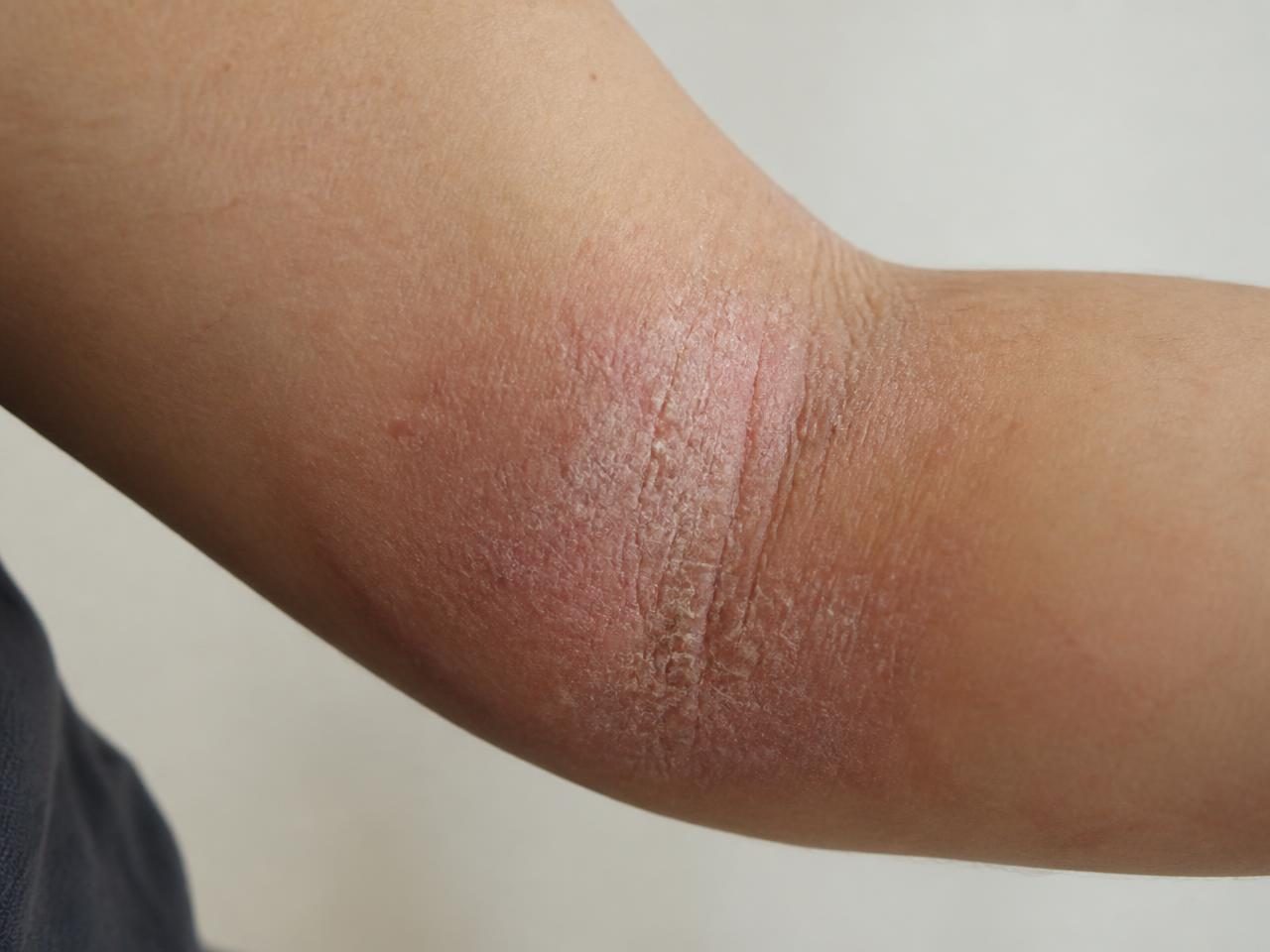
Dry, inflamed eczema patch at the inner elbow


Eczema & Dermatitis

Relief for dry, itchy, inflamed skin, with attention to the triggers that keep it returning.

Overview
Eczema describes a group of conditions in which the skin barrier holds moisture poorly and reacts readily to irritants. Atopic dermatitis often begins in childhood and may accompany asthma or seasonal allergies, while contact dermatitis follows exposure to a specific substance. Both are manageable, though they tend to come and go over time.
Signs and symptoms
Itching that often precedes the rash, dry or scaling patches, redness, small fluid-filled bumps, and thickened skin in areas that have been scratched over long periods. The hands, eyelids, and folds of the elbows and knees are frequently involved.
How it is evaluated
Diagnosis is usually made by examination together with a careful history of timing, exposures, occupation, and home routines. When a specific allergen is suspected, patch testing may be recommended, and a biopsy is occasionally used to rule out other conditions.
Treatment approaches
Care combines barrier repair through consistent moisturizing and bathing habits with prescription anti-inflammatory topicals. For more widespread or stubborn disease, non-steroidal topicals, phototherapy, or systemic and biologic medications may be appropriate, along with removing the triggers identified during the visit.
When to seek evaluation
Consider being seen when itching disturbs sleep, when a rash spreads or weeps and crusts, when flares return regularly, or when the cause is unclear.
What to expect at your visit
Time is spent on the practical details, which cleansers and moisturizers to use, how to apply each medication, and what to do at the first sign of a flare. Many patients notice meaningful relief within the first few weeks.
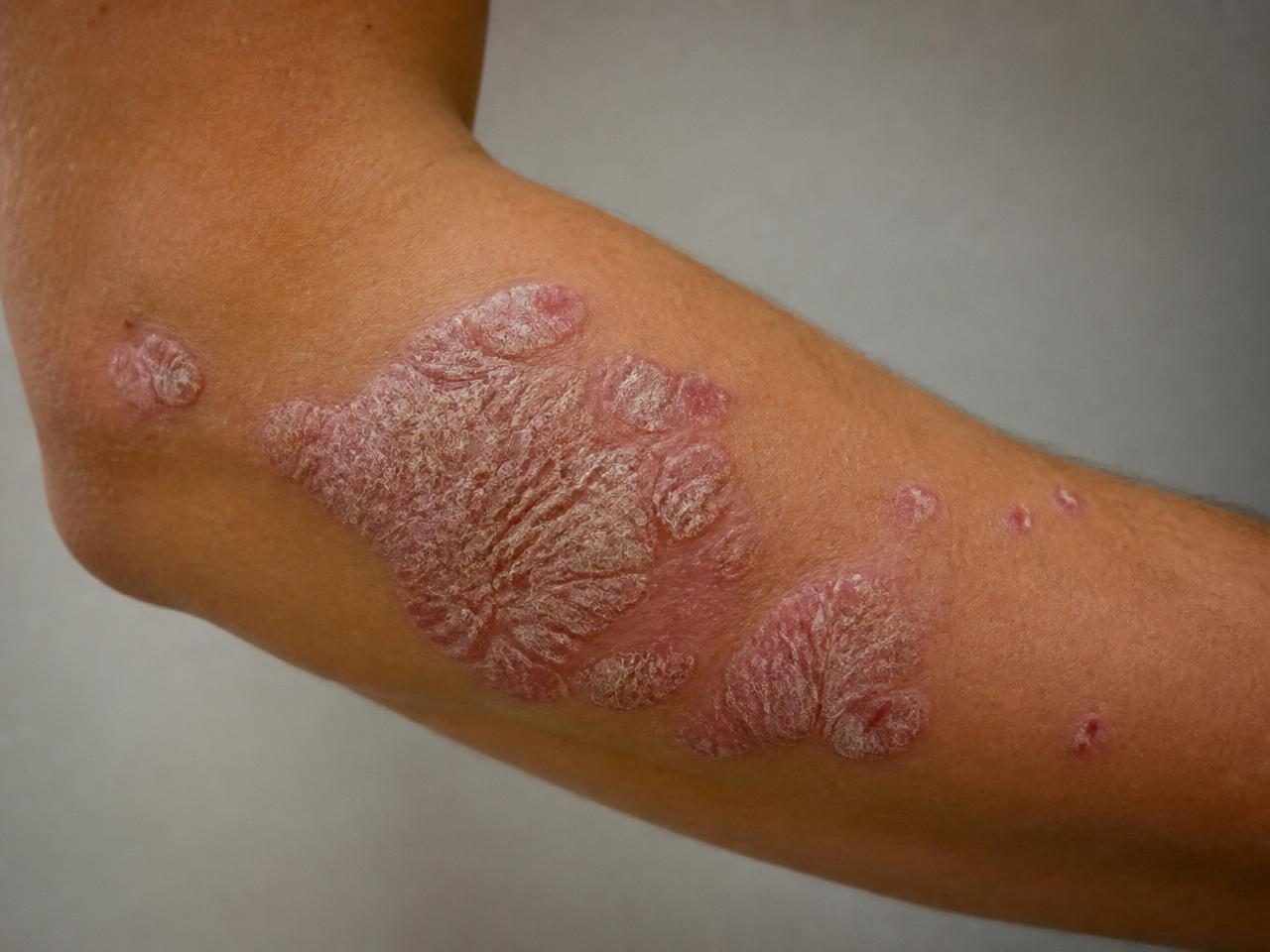
Scaled psoriasis plaques on an elbow


Psoriasis

Long-term management of a chronic condition, with treatment matched to how much of the skin is involved.

Overview
Psoriasis is an immune-mediated condition in which skin cells turn over far more quickly than usual, producing raised, well-defined plaques. It is chronic and tends to fluctuate, and it can be associated with joint symptoms and other aspects of general health, which is why care extends beyond the skin alone.
Signs and symptoms
Thickened plaques with silvery scale, most often on the elbows, knees, scalp, and lower back, along with itching or soreness, cracking, and pitting or lifting of the nails. Some patients also notice stiff or swollen joints.
How it is evaluated
The diagnosis is generally clinical, based on the appearance and distribution of the plaques. The extent of involvement is documented, joint symptoms are reviewed, and a biopsy is used only when the presentation is unusual. Screening for related health concerns is discussed where appropriate.
Treatment approaches
Limited disease is often controlled with topical therapies and scalp preparations. More extensive or resistant psoriasis may call for phototherapy, oral systemic medication, or biologic therapy, with monitoring and coordination alongside your other physicians.
When to seek evaluation
Worth being seen when plaques are spreading, when the scalp or nails are involved, when joints ache or stiffen, or when previous treatment has stopped working.
What to expect at your visit
The conversation covers what is realistic in the near term and what maintenance looks like over the years. Follow-up is planned in seasonal rhythm, since many patients flare in the colder months.
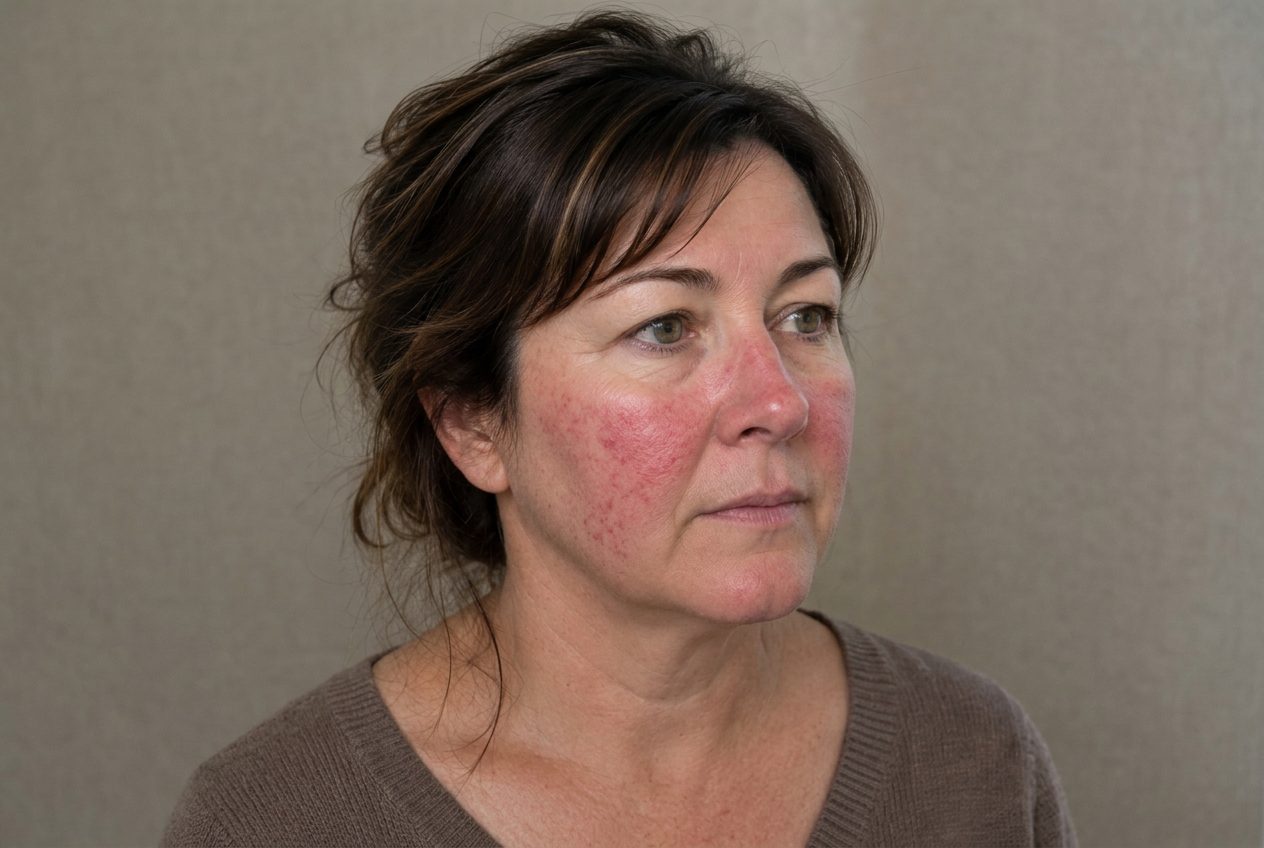
Woman with rosacea showing facial redness and visible vessels across the cheeks


Rosacea

A measured approach to facial redness, flushing, and visible vessels that steadies the skin over time.

Overview
Rosacea is a chronic condition of the central face marked by heightened vascular and inflammatory reactivity. It often begins as intermittent flushing and gradually becomes more persistent. Identifying what provokes it is as important as the medication itself.
Signs and symptoms
Lasting redness across the cheeks, nose, chin, or forehead, flushing brought on by heat, sun, alcohol, or stress, small bumps and pustules without blackheads, visible vessels, and eyes that feel dry or gritty.
How it is evaluated
Diagnosis is made on examination and history, with attention to which subtype predominates, since redness, bumps, and vessel changes each respond to different treatments. Conditions that can resemble rosacea are ruled out during the same visit.
Treatment approaches
Care typically layers gentle daily skin care and broad-spectrum sun protection with prescription topicals, and oral medication when inflammation is more pronounced. Vascular changes are addressed with light-based treatment where appropriate, and eye involvement is referred as needed.
When to seek evaluation
Consider an evaluation when redness no longer fades between episodes, when bumps appear, when the skin stings with most products, or when the eyes are involved.
What to expect at your visit
You will leave with a simplified routine and a short list of personal triggers to observe. Improvement is gradual and steady rather than immediate, and consistency is what maintains it.
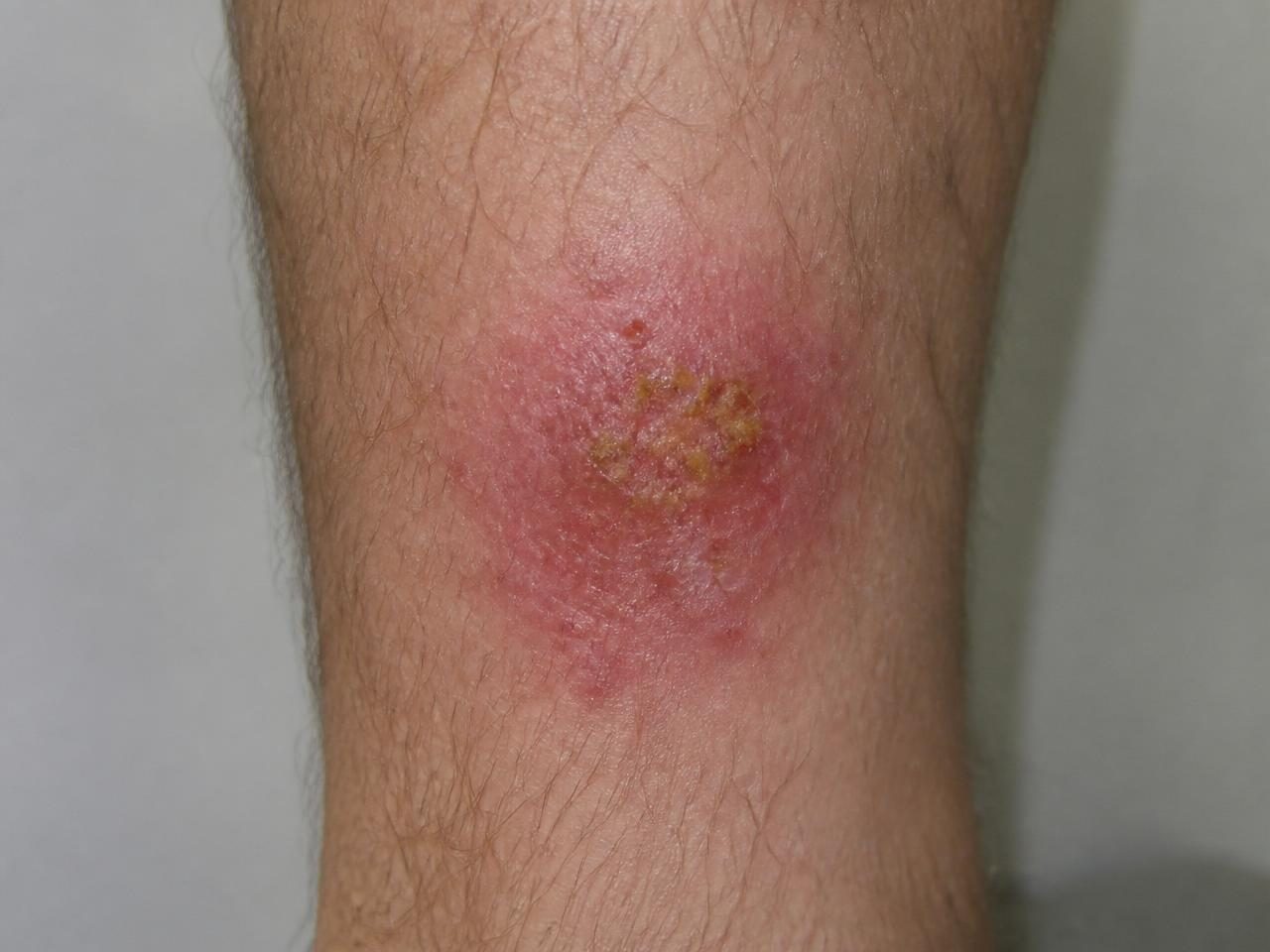
Localized skin infection with redness and light crusting on the lower leg


Skin Infections

Prompt diagnosis and treatment of bacterial, viral, and fungal infections of the skin, hair, and nails.

Overview
Skin infections range from the superficial to the more serious. Bacterial infections such as impetigo and cellulitis, viral conditions including warts, cold sores, and shingles, and fungal infections of the feet, groin, scalp, and nails all present differently and require different treatment.
Signs and symptoms
Redness that expands, warmth, swelling, pain or tenderness, drainage or crusting, blisters grouped in one area, and scaling or thickening rings on the skin or nails. Fever or a rapidly enlarging area suggests a more urgent problem.
How it is evaluated
Many infections are recognized on examination. When the diagnosis is uncertain, a swab, scraping, fungal culture, or nail clipping is used to confirm the organism, so that treatment is targeted rather than assumed.
Treatment approaches
Treatment may involve topical or oral antibiotics, antiviral medication, or antifungal therapy, along with wound care and steps to prevent recurrence or spread within a household. Duration is set by the depth and type of infection.
When to seek evaluation
Be seen promptly for redness that spreads, increasing pain, fever, a painful blistering rash on one side of the body, or any infection that does not respond to initial care.
What to expect at your visit
The goal is to establish a clear understanding of the infection, its cause, the expected timeline for treatment, and the appropriate next steps throughout your care.
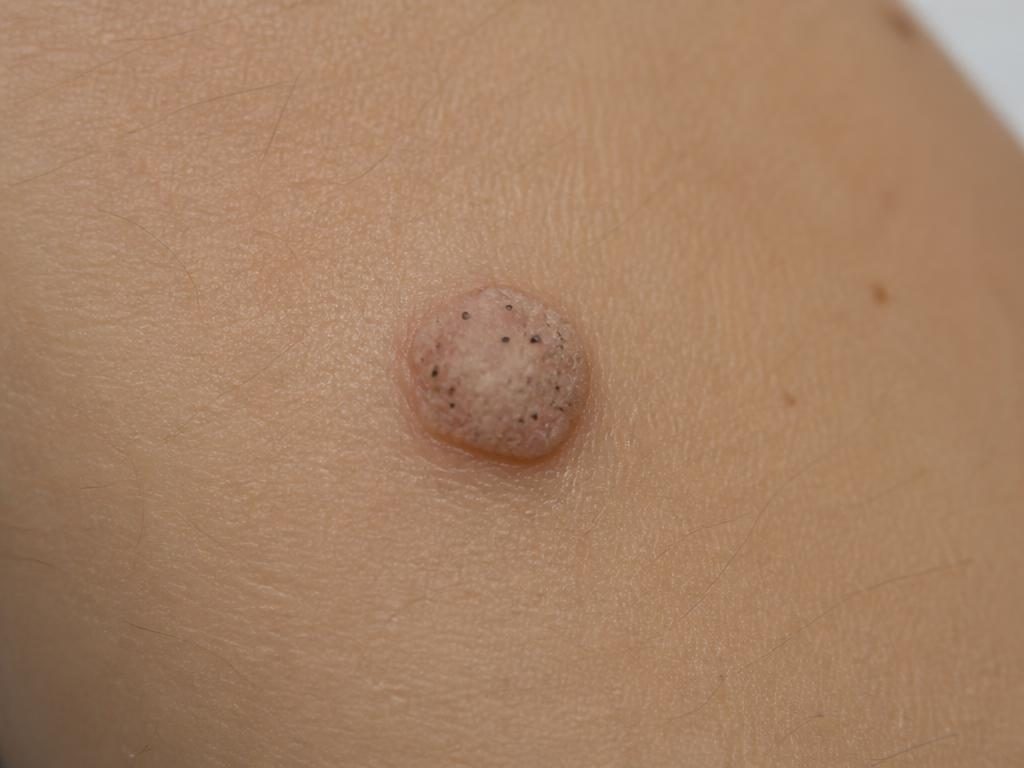
Raised common wart on skin with rough surface and tiny black dots


Wart Removal

Clear, effective treatment for common warts, plantar warts, and other benign growths caused by HPV.

Overview
Warts are benign skin growths caused by human papillomavirus (HPV). They can appear anywhere on the body and are most common on the hands, feet, and around the nails. Although many warts eventually clear on their own, treatment can speed resolution, reduce discomfort, and limit spread to nearby skin or other people.
Signs and symptoms
A rough, raised bump with a cauliflower-like surface, small black dots within the growth, pain when pressed, and thickened skin on the soles of the feet. Warts may appear singly or in clusters and can grow slowly over months.
How it is evaluated
Most warts are diagnosed by appearance. A dermatoscope is used to look for the pinpoint black dots that distinguish warts from corns or other growths. When the diagnosis is uncertain, a small biopsy may be taken to confirm the lesion is benign.
Treatment approaches
Options include prescription topicals, cryotherapy, cantharidin application, curettage, or laser treatment, depending on the wart type, location, and number. Plantar warts may require a layered approach combining in-office treatment with home care. Treatment is chosen for effectiveness and minimal disruption.
When to seek evaluation
Consider being seen when a wart is painful, changing in appearance, bleeding, spreading, or located on the face, genitals, or feet. Also seek care if you have diabetes, poor circulation, or a weakened immune system.
What to expect at your visit
The lesion is examined and the best treatment plan is explained before anything is applied. Some treatments cause a brief sting or blister, and multiple sessions are often needed. You will leave with clear instructions on how to protect the surrounding skin and when to return.

The standard

Personalized visits. Written plans. Real follow-up.

You leave with the reasoning behind the treatment, a schedule that fits your week, and a direct way to reach us if something changes.

Book Now
Our Red Hook practice

Prevention

Ahead of
the next flare.

The best outcomes come from long relationships, a practice that knows your skin as it changes with seasons, decades, and life.

  • Full-body skin exams
  • Personalized skin-health consultations
  • Sun-damage strategy & education
  • Long-term maintenance plans
  • In-office & virtual follow-up